SPECIALIST SURGICAL CARE
Hernia Surgery in Lebanon Inguinal, Umbilical & Abdominal Wall Hernia Repair
Dr. Gharios provides hernia surgery in Lebanon based on the type, size, location, symptoms, and individual characteristics of each hernia.
Book a Consultation
Treatment may involve open, laparoscopic, or robotic repair depending on the patient's condition and the complexity of the defect.
Inguinal Hernia
An inguinal hernia develops in the groin and is one of the most common abdominal wall hernias.
Symptoms may include:
- A visible or palpable groin bulge
- Pain or heaviness
- Discomfort during physical effort
- Symptoms that worsen with coughing or straining
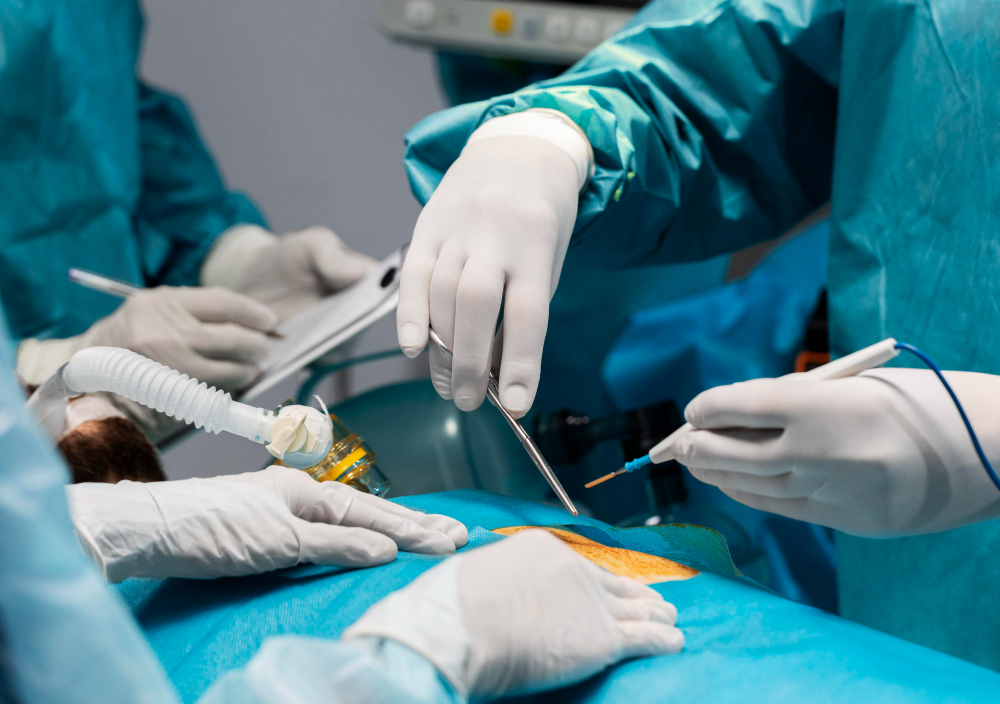
Inguinal hernia surgery in Lebanon may be performed through an open or minimally invasive approach, with technique and mesh selection individualized to each patient.
Umbilical Hernia
An umbilical hernia appears around the navel and may become more noticeable during coughing or straining.
Surgical repair may be considered when the hernia is symptomatic, increasing in size, or associated with a risk of complications.
Incisional & Recurrent Hernias
Incisional hernias can develop at the site of a previous abdominal operation. Recurrent and complex hernias require careful assessment of previous repairs, abdominal wall anatomy, and individual risk factors before selecting a treatment strategy.
Key Principles
- Individualized hernia repair
- Appropriate technique and mesh selection
- Minimally invasive options when suitable
- Early mobilization
- Focus on durable repair and recurrence prevention
Frequently Asked Questions
Does every hernia require immediate surgery?
No. The decision depends on symptoms, hernia type, size, progression, and risk of complications.
Can an inguinal hernia be repaired laparoscopically?
Yes, laparoscopic repair is an option for many patients, but the most appropriate technique depends on the individual case.
Can a hernia come back after surgery?
Recurrence is possible. Surgical technique, hernia characteristics, patient factors, and postoperative care can all influence recurrence risk.